
What is Fungabeam?
FungaBeam is an at-home laser therapy device made for nail fungus (onychomycosis). It uses a low-level dual-light approach: 470 nm blue light targets microbes on the nail, while 905 nm invisible light is intended to oxygenate the area beneath the nail, supporting repair and healthier nail growth.
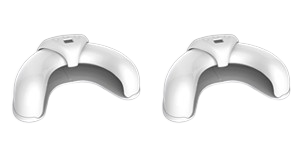
The light is designed to reach through the nail plate and into the nail bed, where fungal infections typically reside. Because of this deeper reach, it may offer an advantage over surface-only creams, though outcomes can vary. The suggested routine is simple: seven minutes per session, twice a day, for about three months to see more noticeable changes.
There’s strong social proof behind it—an overall rating of 4.9/5 from 11,369 positive customer reviews is reported. That said, the long-term effectiveness of laser options for nail fungus is still being researched, and recurrence can happen. Also, be cautious when shopping: some websites claiming to sell FungaBeam have been flagged for low trust scores. If you decide to try it, buy from a reputable link.
Why I Tried FungaBeam: My Reasons Revealed
- Targets the source: light is directed where nail fungus takes hold.
- Drug-free and non-invasive: avoids pills and their potential side effects.
- Quick routine: seven minutes, twice a day, fits easily into a schedule.
- Strong feedback: high customer satisfaction, including a 4.9/5 score from 11,369 positive reviews.
- FDA-cleared device design for home use.
FungaBeam: My Personal Experience
My results were encouraging. With consistent use for eight weeks—seven minutes per session, morning and night—the thick discoloration started to ease and the nails looked less brittle. As new growth came in, it appeared clearer and healthier.
The ease of use helped me stick with it. It’s non-invasive and doesn’t involve drugs, which felt like a safer path compared to oral antifungals. While everyone’s timeline can differ and outcomes aren’t guaranteed, I saw meaningful improvement and felt the routine was manageable.
How Does Fungabeam Work?
The device combines two specific wavelengths. The 470 nm blue light is used to disrupt unwanted microbes on and around the nail surface. The 905 nm invisible light is intended to increase oxygenation beneath the nail, supporting the environment where healthy nail can grow back.
This light energy is applied through the nail plate to the nail bed, where fungal colonies typically persist. Each session lasts seven minutes, and doing it twice per day over roughly three months gives the new, clearer nail time to grow out. Because it reaches below the nail surface, this approach may offer an edge over creams that sit on top of the nail. Still, research on long-term laser outcomes is ongoing, and relapses can occur—consistent use and patience are key.