
StopWatt Review
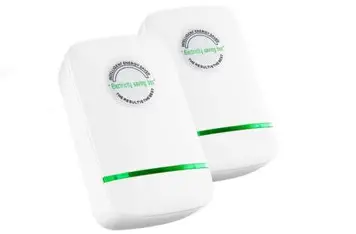
StopWatt is marketed as a simple plug-in electricity-saving device that supposedly reduces household energy bills by stabilizing voltage, correcting inefficient power use, and filtering so-called “dirty electricity.”
The biggest claim is also the biggest concern: advertisements suggesting that households could save 50% to 90% on electricity simply by plugging the device into a wall outlet.
That deserves serious skepticism.
StopWatt Energy Saver
★★☆☆☆ 2.0/5
Category: Plug-In Energy Saver
Best For: Not recommended as an electricity-saving solution
Installation: Plug into wall outlet
Advertised Savings: Up to 90%
Actual Savings: No convincing evidence supplied
Power-Factor Claims: Not meaningful for typical residential billing
Verdict: Skip it
What It Is
StopWatt is a small plug-in electrical device marketed as an easy way to reduce household electricity consumption.
Its advertising claims the device can:
- Stabilize household voltage
- Balance electrical current
- Correct power-factor problems
- Reduce “dirty electricity”
- Protect appliances from voltage fluctuations
- Reduce electricity bills
- Extend appliance life
The appeal is obvious.
There is no rewiring, professional installation, lifestyle change, or replacement of existing appliances. You simply plug StopWatt into an outlet and supposedly start saving money.
The problem is that the supplied evidence does not establish that the device can deliver the dramatic savings advertised.
How StopWatt Claims to Work
StopWatt marketing describes an “Electricity Stabilizing Technology” that supposedly improves the quality of electricity flowing through a home.
Some devices in this category contain relatively simple electrical components such as capacitors, resistors, indicator LEDs, and sometimes basic surge-suppression components.
A capacitor can have legitimate applications in electrical systems, including power-factor correction in appropriate circumstances.
But that doesn’t mean plugging a small capacitor-based device into a residential outlet will substantially reduce the number of kilowatt-hours recorded by a household electricity meter.
That’s the crucial distinction.

Why the Electricity-Saving Claim Is Questionable
Residential Customers Pay Mainly for Real Energy
Typical residential electricity bills are based primarily on the amount of real electrical energy consumed, measured in kilowatt-hours (kWh).
Power-factor correction can be relevant in commercial and industrial environments with large inductive loads and utility tariffs that account for reactive power or demand.
That doesn’t automatically translate into meaningful savings for an ordinary residential customer.
Even if a plug-in device changed power factor at one outlet, that doesn’t establish that it would significantly reduce the real energy consumed by air conditioners, refrigerators, water heaters, televisions, computers, or other appliances.
It Cannot Magically Reduce Appliance Consumption
If an appliance requires a certain amount of real energy to perform its job, simply plugging another passive device into a nearby outlet doesn’t automatically make that appliance consume dramatically less energy.
Claims of 50%, 70%, or 90% household electricity savings therefore require extraordinary independent evidence.
The supplied material does not provide convincing evidence supporting savings of that magnitude.
Voltage Stabilization Is Another Question
StopWatt advertising also suggests that it stabilizes household voltage.
Real voltage regulators, automatic voltage regulators, UPS systems, and other power-conditioning equipment use specific circuitry designed for those purposes.
A small passive plug-in device shouldn’t automatically be assumed to provide equivalent voltage-regulation functionality.
The Verdict
2.0/5 — Editor’s Rating
StopWatt is not something I would recommend buying specifically to lower your electricity bill.
The fundamental problem isn’t that the device necessarily does absolutely nothing electrically.
The problem is the enormous gap between what a simple plug-in electrical circuit might technically do and the dramatic household energy savings suggested by the marketing.
There is no convincing evidence in the supplied material demonstrating that plugging StopWatt into an outlet can reduce a typical home’s actual kilowatt-hour consumption by anything approaching 50–90%.
If your primary goal is lowering your electricity bill, your money would be better directed toward improvements that actually reduce energy consumption.
What We Liked
- Simple plug-in installation
- No rewiring required
- Compact design
- No complicated setup
- Concept is easy for consumers to understand
Major Concerns
- Extraordinary electricity-saving claims
- No convincing evidence for 50–90% savings
- Power-factor marketing can be misleading for residential users
- Passive components cannot simply eliminate normal appliance energy requirements
- Voltage-stabilization claims need proper technical evidence
- “Dirty electricity” language can confuse buyers
- Aggressive discount and scarcity marketing deserves caution
- Testimonials don’t substitute for controlled measurements
- Safety and certification should be verified for any mains-powered electrical product
Verdict: Save Your Money
StopWatt vs. Proven Ways to Save Electricity
StopWatt: Claims to optimize electricity without changing how appliances operate. Convincing evidence of substantial residential savings is lacking in the supplied material.
LED Lighting: Actually reduces the electrical power required to produce a given amount of light compared with inefficient incandescent lighting.
Smart Plugs/Power Strips: Can reduce unnecessary standby consumption by actually disconnecting selected equipment when it isn’t needed.
Efficient HVAC Equipment: Can reduce one of the largest sources of household electricity consumption.
Thermostat Optimization: Reduces HVAC operating time when heating or cooling isn’t required.
Insulation and Air Sealing: Reduces the amount of heating or cooling needed to maintain indoor temperature.
The difference is straightforward: these established approaches reduce the amount of energy required or the amount of time equipment operates.
What About Power Factor Correction?
This is where energy-saver advertising can sound highly technical.
Power factor is a real electrical-engineering concept.
Large industrial facilities with substantial motors and inductive equipment can benefit financially from appropriately engineered power-factor correction, particularly when their utility tariff penalizes poor power factor or reactive demand.
That doesn’t mean a homeowner can plug a small capacitor into an outlet and significantly reduce their normal kWh bill.
Industrial power-factor correction and residential energy conservation are not the same thing.
Does StopWatt Stabilize Voltage?
That claim should also be treated cautiously.
Proper voltage regulation requires equipment designed to monitor and respond to voltage conditions.
If StopWatt advertising claims meaningful whole-home voltage stabilization, buyers should look for independent technical testing showing:
- Input voltage
- Output voltage
- Load conditions
- Regulation range
- Response characteristics
- Electrical schematic or technology
- Applicable safety certifications
Without that evidence, “voltage stabilization” shouldn’t automatically be interpreted as equivalent to a real voltage regulator.
What About “Dirty Electricity”?
Electrical noise, harmonics, and electromagnetic interference are real phenomena.
Engineered filters can be used when these issues actually need to be controlled.
But reducing electrical noise is not the same thing as reducing the real energy consumption recorded by your electricity meter.
Even if a device altered some electrical noise characteristics, that wouldn’t prove the advertised electricity-bill savings.
How to Test StopWatt Yourself
Don’t judge the device by whether its green light turns on.
The relevant question is:
Does it reduce measured real energy consumption in kWh?
A meaningful test requires comparing the same electrical load under equivalent operating conditions with and without the device.
Voltage, current, apparent power, power factor, real power, and accumulated energy shouldn’t be confused with one another.
And because household electricity use varies with weather, HVAC demand, occupancy, appliance use, and billing-cycle length, simply comparing two different monthly bills isn’t a controlled test.
Safety Considerations
StopWatt connects directly to household mains electricity.
For that reason, safety matters even if the device doesn’t produce meaningful energy savings.
Before using any inexpensive plug-in electrical product, buyers should verify appropriate electrical safety certification for the exact model and market where it’s being sold.
Stop using any plug-in device immediately if you notice excessive heat, discoloration, melting, unusual noises, smoke, or a burning smell.
Better Ways to Reduce Your Electricity Bill
Instead of relying on a passive “energy saver,” focus on changes that reduce actual consumption:
- Replace inefficient lighting with LEDs
- Reduce unnecessary HVAC use
- Improve insulation and weather sealing
- Maintain air-conditioning equipment
- Use efficient appliances
- Eliminate unnecessary standby loads
- Use smart plugs where appropriate
- Adjust thermostat schedules
- Monitor high-consumption appliances
- Request a professional or utility energy audit
These approaches address where electricity is actually being consumed.
Frequently Asked Questions
What is StopWatt?
StopWatt is a plug-in device marketed as an electricity-saving product for residential use.
Does StopWatt really lower electricity bills?
The supplied material doesn’t provide convincing evidence that it can produce substantial reductions in household kWh consumption.
Can StopWatt reduce my bill by 90%?
There is no credible evidence in the supplied material supporting a 90% reduction in normal household electricity consumption simply from plugging in this type of device.
Does power-factor correction save homeowners money?
Power-factor correction is technically legitimate, particularly in certain industrial applications. But that doesn’t mean a small residential plug-in device will substantially lower a typical household kWh bill.
Does StopWatt reduce appliance electricity consumption?
There is no convincing evidence supplied showing that it substantially reduces the real energy required by normal household appliances.
What does the green light mean?
At minimum, an illuminated indicator shows that the device is receiving power. A light turning on doesn’t demonstrate electricity savings.
Does StopWatt eliminate dirty electricity?
Claims about electrical-noise filtering should be supported by appropriate technical measurements. Even successful filtering wouldn’t automatically mean lower household kWh consumption.
Is StopWatt a surge protector?
Don’t assume that it provides meaningful surge protection unless the exact product has appropriate specifications, ratings, and safety certifications establishing that capability.
Can StopWatt extend appliance lifespan?
That benefit isn’t established by the information provided. Appliance lifespan depends on many factors, and broad longevity claims require supporting evidence.
Is StopWatt a scam?
The safer conclusion is that its extraordinary energy-saving claims aren’t supported by convincing evidence in the supplied material. Rather than relying on the label “scam,” buyers should focus on whether the advertised performance is technically demonstrated.
Are plug-in electricity savers worth buying?
If the purpose is substantially reducing a normal residential electricity bill, products making passive “electricity optimization” claims should be approached skeptically unless they provide credible independent testing showing measurable reductions in real kWh consumption.
What should I buy instead?
Put the money toward proven efficiency measures such as LED lighting, insulation, HVAC improvements, efficient appliances, smart controls, or equipment that actually switches unnecessary loads off.
Final Recommendation
Skip StopWatt if your goal is lowering your electricity bill.
The technical language surrounding voltage stabilization, power-factor correction, and dirty electricity can make the product sound sophisticated, but none of those terms by themselves demonstrate meaningful residential energy savings.
A device claiming 50–90% savings without changing appliance operation or household behavior needs exceptionally strong evidence.
Until that evidence exists, spend your money on improvements that measurably reduce the number of kilowatt-hours your home actually consumes.